Pain, Recovery, and Aftercare Following a Smile Makeover
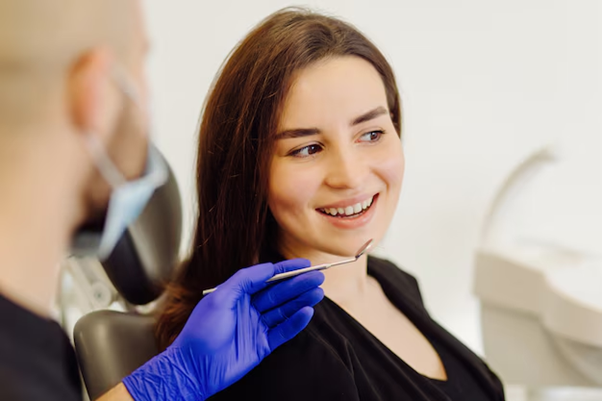
A smile makeover is a transformative dental journey that combines multiple cosmetic and restorative treatments to enhance the appearance and function of your teeth. While the results can be life-changing, understanding the recovery process is essential for achieving the best possible outcome. Patients often wonder about pain levels, healing timelines, and the steps required to maintain their new smile.
When working with a smile makeover dentist, patients receive a personalized treatment plan that may include procedures such as veneers, crowns, whitening, or orthodontic alignment. Each of these treatments contributes to the final result, but they may also influence the recovery experience in different ways.
For individuals undergoing Lake Mary Invisalign treatment as part of their makeover, the recovery phase may involve gradual adjustments rather than immediate post-procedure discomfort. Regardless of the specific treatments involved, proper aftercare plays a vital role in ensuring long-lasting results and overall oral health.
Understanding Pain Levels After a Smile Makeover
Pain after a smile makeover varies depending on the procedures performed. Some treatments, such as teeth whitening, may cause temporary sensitivity, while others like veneers or crowns may lead to mild soreness in the gums and surrounding tissues.
Most patients experience manageable discomfort that subsides within a few days. This discomfort is typically described as:
- Mild sensitivity to hot or cold foods
- Slight gum irritation
- Temporary pressure or soreness
Pain is rarely severe, and dentists often provide guidance or medication to help manage any discomfort effectively. Understanding that these sensations are temporary helps patients feel more confident during the recovery process.
Immediate Recovery: The First 24 to 72 Hours
The initial recovery period is crucial for setting the foundation for proper healing. During the first few days, patients should focus on protecting their teeth and minimizing irritation.
Common experiences during this phase include sensitivity and minor swelling. It is important to avoid placing unnecessary stress on newly treated teeth.
Patients can support healing by:
- Choosing soft foods that do not require excessive chewing
- Avoiding extremely hot or cold beverages
- Refraining from consuming hard or sticky foods
This short period of caution significantly reduces the risk of complications and ensures that the dental work settles properly.
Managing Sensitivity and Discomfort Effectively
Sensitivity is one of the most common concerns after a smile makeover. It may occur due to enamel adjustments, bonding procedures, or exposure of sensitive areas during treatment.
To manage sensitivity, patients are encouraged to:
- Use toothpaste designed for sensitive teeth
- Avoid acidic foods and beverages
- Rinse with lukewarm saltwater to soothe gums
In some cases, dentists may recommend desensitizing treatments or fluoride applications to strengthen enamel and reduce discomfort.
Consistency in these practices helps minimize sensitivity and enhances overall comfort during recovery.
Dietary Guidelines for Optimal Healing
Diet plays a significant role in the recovery process. The right food choices can promote healing, while the wrong ones may cause irritation or damage.
During the recovery phase, patients should prioritize foods that are gentle on the teeth and gums.
Recommended options include:
- Soft fruits like bananas and berries
- Cooked vegetables and mashed potatoes
- Yogurt, smoothies, and soups
- Tender proteins such as fish or scrambled eggs
Gradually, as comfort improves, patients can reintroduce a wider variety of foods. However, maintaining a balanced diet supports both oral and overall health.
Oral Hygiene and Aftercare Practices
Maintaining proper oral hygiene is essential after a smile makeover, but it must be done with care to avoid disrupting healing.
Patients should continue brushing and flossing regularly, using gentle techniques to protect sensitive areas. A soft-bristled toothbrush is ideal during this period.
Additional aftercare practices include:
- Using non-alcoholic mouthwash to prevent irritation
- Avoiding aggressive brushing near treated areas
- Following any specific instructions provided by the dentist
These habits ensure that the dental work remains clean and free from bacteria, reducing the risk of complications.
Long-Term Care for Lasting Results
A smile makeover is an investment in both appearance and oral health, making long-term care essential. Once the initial recovery phase is complete, maintaining the results becomes the primary focus.
Patients should adopt habits that protect their enhanced smile, such as:
- Avoiding staining substances like tobacco and excessive coffee
- Wearing a night guard if teeth grinding is an issue
- Scheduling regular dental check-ups
These measures help preserve the integrity of cosmetic treatments and ensure that the results remain vibrant and functional.
Emotional and Lifestyle Benefits of Recovery
Recovery from a smile makeover is not just physical; it also brings significant emotional and lifestyle benefits. As healing progresses, patients often notice increased confidence and a renewed sense of self.
The ability to smile freely, speak confidently, and engage socially without hesitation can have a profound impact on daily life. This transformation extends beyond aesthetics, influencing personal and professional interactions.
Patients frequently report feeling more motivated to maintain their oral health, leading to improved long-term habits and well-being.
When to Contact Your Dentist During Recovery
While most recoveries are smooth, it is important to recognize when professional attention is needed. Being proactive can prevent minor issues from becoming major concerns.
Patients should contact their dentist if they experience:
- Persistent or severe pain
- Prolonged swelling or bleeding
- Damage to veneers, crowns, or other restorations
- Unusual sensitivity that does not improve
Prompt evaluation ensures that any issues are addressed quickly, allowing recovery to continue without disruption.
A Smooth Recovery Leads to a Confident Smile
The journey following a smile makeover is an essential part of achieving and maintaining beautiful results. By understanding what to expect and following proper aftercare practices, patients can minimize discomfort and promote efficient healing.
From managing sensitivity to adopting long-term care habits, every step contributes to the success of the treatment. With patience and attention, the recovery process becomes a seamless transition toward a healthier, more radiant smile.
A well-managed recovery not only protects your investment but also ensures that your new smile remains a source of confidence and pride for years to come.