New Bookmaker Outside ARJEL in 2026
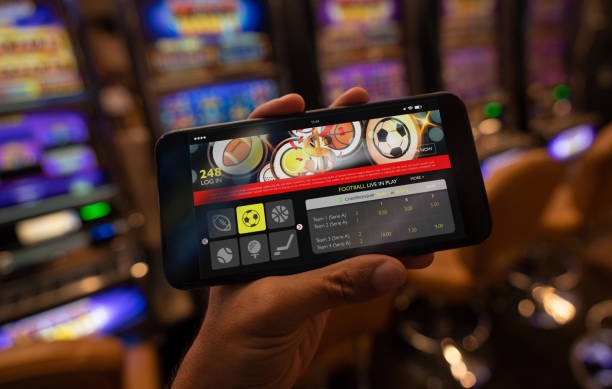
In 2026, the landscape of sports betting in France is poised for a significant transformation with the emergence of a new bookmaker operating outside the traditional regulatory framework of ARJEL (Autorité de Régulation des Jeux En Ligne). Since its establishment, ARJEL has been the primary authority overseeing online gambling and sports betting in France, ensuring that operators comply with stringent regulations designed to protect consumers and maintain market integrity. However, recent developments suggest that innovation and demand may be driving new entrants to explore alternative avenues beyond ARJEL’s jurisdiction.
The arrival of a bookmaker outside ARJEL marks an intriguing shift in the French betting market. This move could be interpreted as both a challenge and an opportunity. On one hand, it raises questions about consumer protection and regulatory oversight since bookmakers operating without ARJEL’s license are not subject to the same rigorous standards. On the other hand, it reflects evolving consumer preferences for more diverse betting options, potentially including novel technologies such as blockchain-based platforms or decentralized finance mechanisms that traditional frameworks may not yet fully accommodate. Certains parieurs préfèrent utiliser un bookmaker hors ARJEL.
One key factor contributing to this development is technological advancement. The proliferation of digital currencies and smart contracts has enabled new business models within online gambling that offer greater transparency and security through decentralization. These innovations appeal to a younger demographic seeking seamless user experiences combined with enhanced privacy features. Consequently, some entrepreneurs see an opportunity to establish operations beyond conventional licensing regimes while still providing legitimate services through cutting-edge technology.
Moreover, regulatory environments globally are becoming increasingly complex as governments attempt to balance revenue generation from taxes with social responsibility concerns related to gambling addiction and fraud prevention. In this context, certain operators might find it advantageous or necessary to position themselves outside established national bodies like ARJEL while complying with international standards or self-regulatory codes recognized by broader communities.
Nevertheless, bettors engaging with bookmakers outside ARJEL must exercise caution due to potential risks involved such as lack of dispute resolution mechanisms or insufficient guarantees on fund security. It remains essential for consumers to conduct thorough research regarding any operator’s credibility before participating in wagers.
Looking ahead, regulators including ARJEL may need to adapt their policies proactively by integrating emerging technologies into their frameworks or collaborating internationally on cross-border enforcement strategies. Such measures would help ensure fair competition among licensed entities while safeguarding player interests amid changing market dynamics prompted by newcomers operating beyond traditional boundaries.
In conclusion, the introduction of a new bookmaker hors ARJEL in 2026 underscores both challenges and opportunities within France’s evolving sports betting sector. As innovation continues reshaping how wagering services are delivered worldwide, stakeholders must strive toward balanced approaches combining regulation flexibility with robust protections-ultimately fostering sustainable growth benefiting consumers and industry players alike.