How HVAC Contractors Manage Training And Certifications
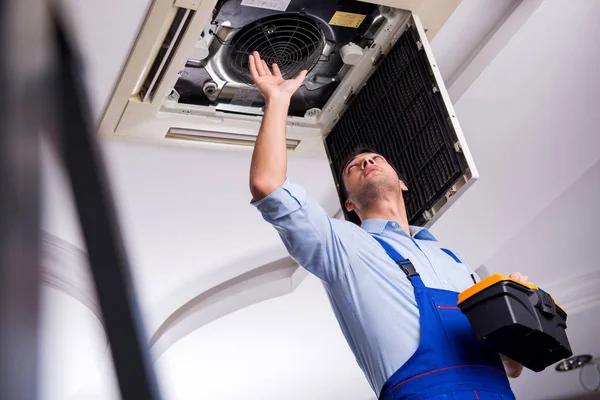
HVAC contractors operate in a highly technical and regulated industry where maintaining up-to-date training and certifications is essential for delivering quality service and ensuring safety. Managing these requirements involves a strategic combination of ongoing education, compliance with industry standards, and investment in employee development. Contractors recognize that the rapidly evolving technology in heating, ventilation, air conditioning, and refrigeration systems demands continuous learning to stay competitive and meet customer expectations. To address this need, many HVAC companies establish structured training programs tailored to various skill levels within their workforce.
Training typically begins with foundational knowledge about system components, installation procedures, troubleshooting techniques, and safety protocols. New hires often undergo orientation sessions combined with hands-on practice under the supervision of experienced technicians. This approach helps build core competencies while minimizing on-the-job errors. Beyond initial training, contractors encourage or require participation in periodic workshops or seminars offered by manufacturers or professional organizations. These sessions introduce advancements such as energy-efficient technologies or updated regulatory guidelines that impact daily operations.
Certifications play a critical role in validating an HVAC technician’s expertise and adherence to legal requirements. Many jurisdictions mandate specific licenses to perform certain types of work, especially those involving refrigerants subject to environmental regulations like the EPA Section 608 certification in the United States. Contractors assist employees by facilitating access to preparatory courses and covering exam fees when possible. Maintaining certifications also requires renewal through continuing education credits or retesting at set intervals; therefore, companies implement tracking systems to monitor expiration dates proactively.
In addition to formal education opportunities provided externally, some contractors develop internal mentorship programs where senior technicians share knowledge with junior staff members regularly. This peer-to-peer learning fosters skill enhancement while reinforcing company culture centered on professionalism and accountability. Technology solutions such as online learning platforms discover further support flexible training schedules accommodating fieldwork demands without compromising instructional quality.
Managing training budgets effectively is another consideration for HVAC businesses aiming for sustainable growth without excessive overheads. By balancing investment between external certification courses and internal skill-building initiatives, contractors optimize resource allocation while promoting career advancement among employees.
Overall, successful management of training and certifications by HVAC contractors hinges on recognizing their importance not only for regulatory compliance but also for operational excellence and customer satisfaction. Through deliberate planning encompassing diverse educational methods combined with diligent record-keeping practices, these professionals ensure their teams remain knowledgeable about industry best practices while adapting swiftly to technological progressions shaping modern HVAC services today.