Ductless Mini Split ACs: Benefits You Should Know
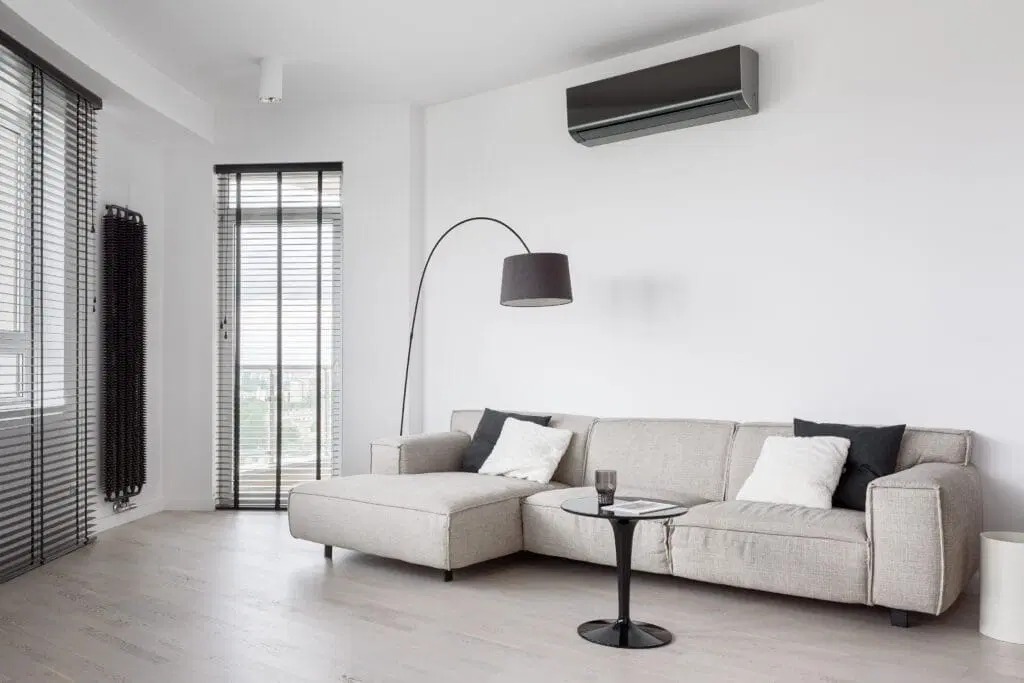
Ductless mini split air conditioning systems have become increasingly popular in recent years due to their efficiency and versatility. Unlike traditional central air conditioning units that require extensive ductwork, these systems operate without ducts, making them an excellent choice for homes or buildings where installing ducts is impractical or impossible. The absence of ductwork not only simplifies installation but also reduces energy losses commonly associated with leaky or poorly insulated ducts. This characteristic alone makes ductless mini splits more energy-efficient compared to conventional HVAC systems.
One of the primary benefits of ductless mini splits is their ability to provide zoned cooling and heating. Each indoor unit can be controlled independently, allowing users to customize temperature settings in different rooms according to individual preferences. This zoning capability helps reduce energy consumption by avoiding unnecessary cooling or heating of unoccupied spaces. Additionally, because each unit operates separately, maintenance issues affecting one zone do not impact the entire system’s performance.
The compact design and flexibility of ductless mini split ac units make them suitable for a wide range of applications. They are ideal for room additions, converted basements, garages, or older homes lacking existing duct infrastructure. The indoor units are mounted on walls or ceilings and come in various styles that blend well with interior decor without occupying valuable floor space. Moreover, these systems operate quietly compared to window air conditioners or traditional HVAC equipment, contributing to a comfortable living environment.
Installation time is significantly shorter than that required for central air conditioning systems since there is no need to install ducts throughout the building. A professional technician typically requires only a few hours to complete the setup once electrical wiring and refrigerant lines are prepared. This streamlined process minimizes disruption during installation and often results in lower labor costs.
Another advantage lies in improved indoor air quality because ductless mini splits use multi-stage filtration processes that trap dust particles, allergens, and other pollutants effectively. Since they do not rely on ducts which can accumulate dirt over time if not properly maintained, these systems tend to deliver cleaner air consistently.
In summary, ductless mini split air conditioners offer numerous benefits including enhanced energy efficiency through zoned control, easier installation without ductwork requirements, versatile placement options suited for various spaces, quieter operation enhancing comfort levels inside rooms as well as better indoor air quality due to advanced filtration features-all contributing factors making them an attractive option for modern climate control needs.
