Challenges in Managing Industrial HVAC Infrastructure
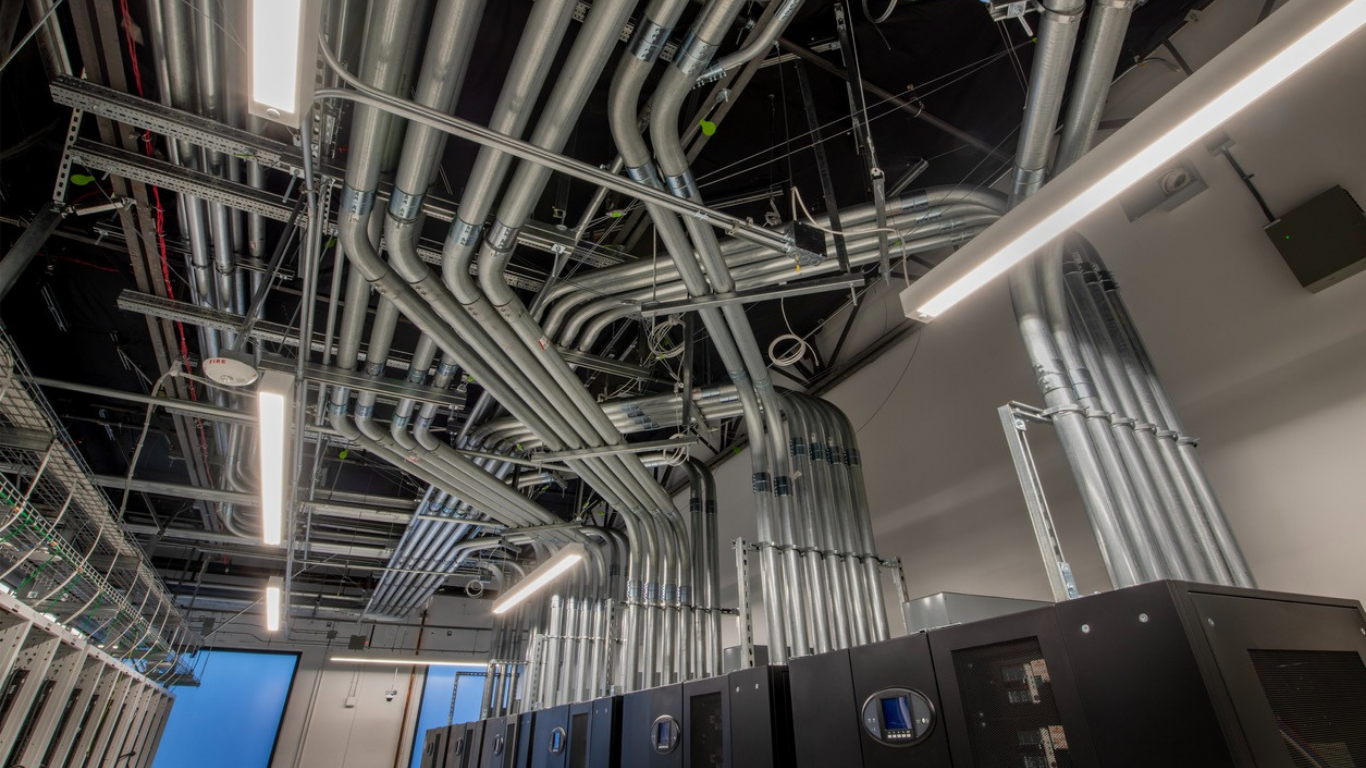
Managing industrial HVAC infrastructure presents a range of complex challenges that require careful planning, ongoing maintenance, and strategic investment. One of the primary difficulties lies in the scale and complexity of these systems. Industrial HVAC units are typically larger and more intricate than those used in residential or commercial settings, involving multiple components such as chillers, boilers, air handlers, ductwork, and control systems. Coordinating these elements to work efficiently demands specialized knowledge and expertise. Additionally, industrial environments often have unique requirements for temperature control due to sensitive manufacturing processes or storage conditions. Maintaining consistent environmental parameters is crucial to product quality and worker safety; any deviation can lead to costly production delays or compromised materials.
Energy consumption is another significant challenge associated with managing industrial HVAC infrastructure. These systems often operate continuously at high capacity, leading to substantial energy costs. Ensuring energy efficiency while meeting operational needs requires regular system assessments and upgrades with advanced technologies like variable frequency drives or smart controls. However, retrofitting older installations can be complicated by outdated equipment compatibility issues or budget constraints within organizations prioritizing other capital expenditures.
Maintenance plays a critical role but also introduces its own set of obstacles. Preventive maintenance schedules must be meticulously followed to avoid unexpected breakdowns that could halt production lines or damage expensive machinery reliant read more about it on this page climate control. Accessing certain parts of large-scale HVAC setups may be difficult due to their physical location within factories or plants designed primarily for manufacturing rather than ease of serviceability. Furthermore, skilled technicians capable of diagnosing problems quickly are essential; shortages in qualified personnel can delay repairs and increase downtime.
Compliance with environmental regulations adds another layer of complexity in managing industrial HVAC systems. Many jurisdictions impose strict standards on refrigerants used due to their global warming potential as well as emissions related to fuel-burning heating components. Keeping up-to-date with evolving legislation necessitates continuous monitoring and possible system modifications which might disrupt operations temporarily.
Integrating new technologies into existing infrastructure also poses challenges because it requires careful evaluation regarding compatibility and return on investment over time. Digitalization efforts such as implementing building management systems (BMS) aim at improving monitoring capabilities but demand initial capital outlay along with staff training.
In summary, managing industrial HVAC infrastructure involves addressing technical intricacies inherent in large-scale operations alongside financial pressures from energy use and maintenance demands while ensuring regulatory compliance remains intact throughout the lifecycle of the equipment involved.