Common Mistakes to Avoid During Water Heater Installation
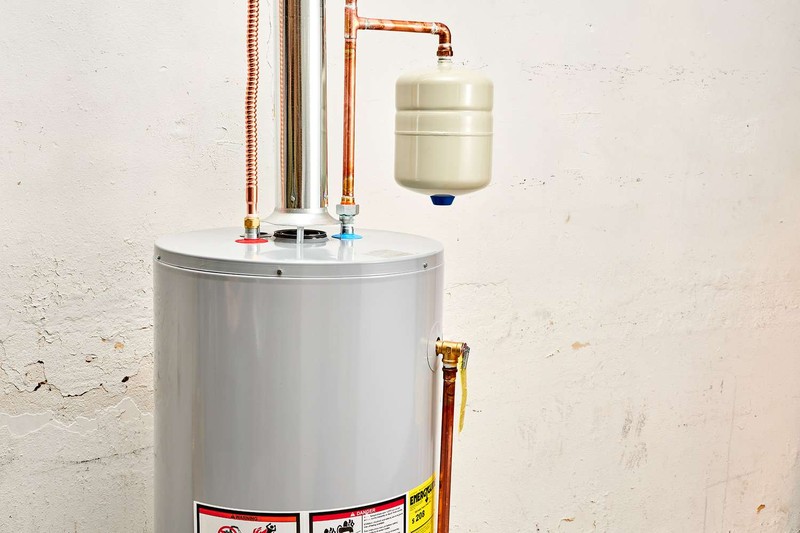
Installing a water heater is a task that demands careful attention to detail and adherence to safety standards. Many homeowners attempt this job themselves, but errors made during installation can lead to inefficient operation, damage, or even dangerous situations. One common mistake is neglecting to turn off the power or gas supply before starting the installation. Failing to do so can result in electrical shocks or gas leaks, posing serious risks. Ensuring that all utilities are properly shut off before beginning work is essential for safety.
Another frequent error involves improper placement of the water heater. Installing it too close to flammable materials or in an area without adequate ventilation increases fire hazards and reduces appliance lifespan. The unit should be positioned according to manufacturer guidelines and local building codes, allowing enough space around it for maintenance and airflow. Overlooking these requirements may cause overheating or operational inefficiencies.
Incorrect plumbing connections also present significant problems during installation. Using incompatible pipe sizes or poor-quality fittings can lead to leaks and water damage over time. It’s important to use appropriate materials such as copper or approved plastic piping rated for hot water systems. Additionally, failing to install a pressure relief valve correctly compromises safety by preventing excess pressure from escaping the tank, which could otherwise cause explosions.
Many installers forget about proper insulation of pipes connected to the water heater. Without insulation, heat loss occurs along the pipes leading away from the unit, resulting in wasted energy and higher utility bills. Insulating both hot water lines and cold water inlet pipes helps maintain temperature efficiency while reducing condensation issues that might encourage corrosion.
Electrical wiring mistakes are another critical concern when dealing with electric water heaters. Using incorrect wire gauges or neglecting grounding protocols can cause shorts, fires, or equipment failure. Following electrical codes strictly ensures safe operation; consulting a licensed electrician is advisable if unsure about wiring procedures.
Additionally, some installations fail because users skip flushing out sediment from existing tanks before replacement units go online. Sediment buildup impairs heating efficiency and damages internal components over time; therefore drain cleaning tanks beforehand improves performance longevity.
Finally, overlooking user manuals leads many installers astray by missing specific instructions unique to each model regarding mounting height requirements and connection sequences necessary for optimal functioning.
Avoiding these common pitfalls guarantees safer installations with better performance outcomes while extending your new water heater’s service life considerably through proper handling right from day one onward into regular use cycles ahead!
Service Squad
680 E Colorado Blvd, Suite 180, Pasadena, CA 91101
626-333-6519